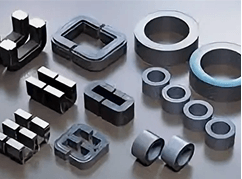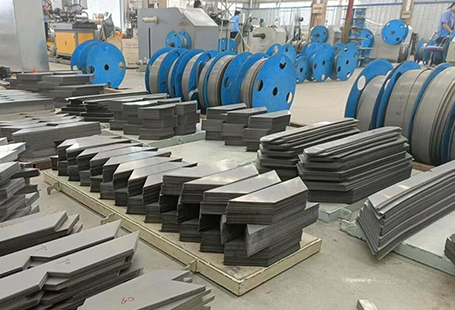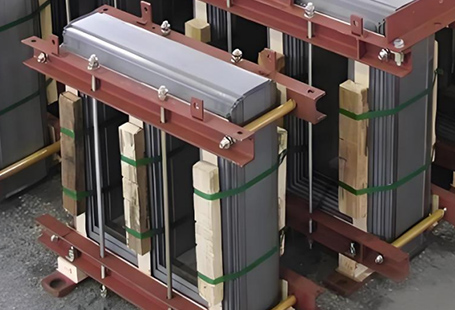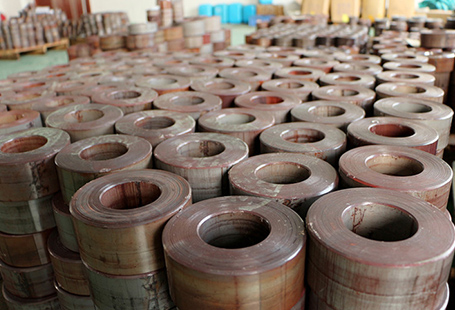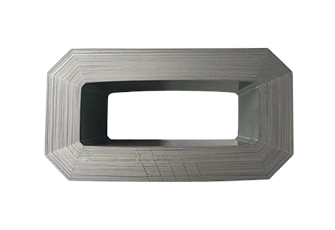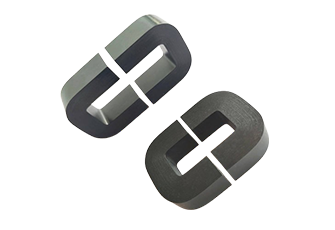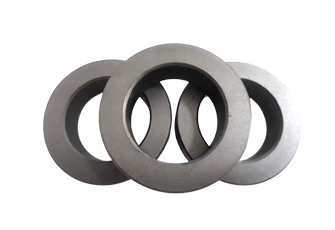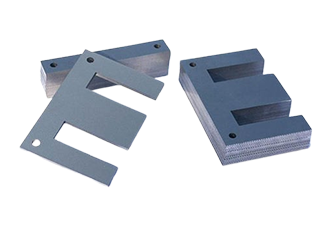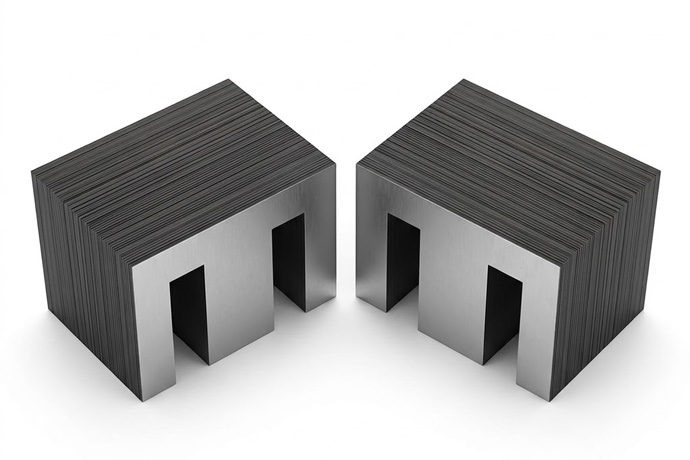
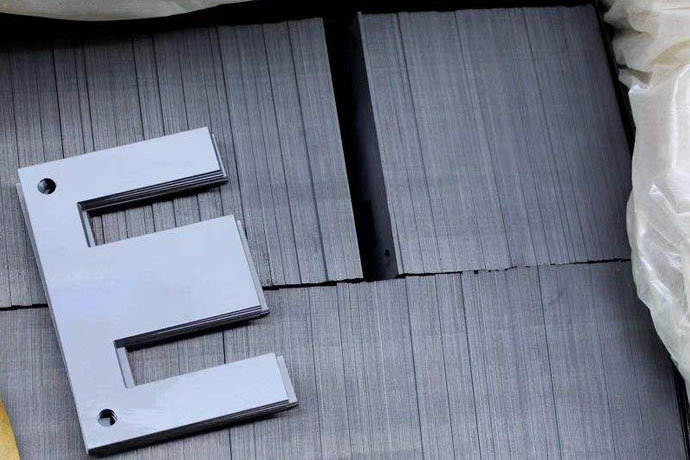
E transformer core is pretty much the go-to structure you’ll see in most power and electronic transformers today. It usually works by pairing up E-shaped laminations with those straight I-shaped ones (what everyone calls the E-I structure), which creates a closed magnetic circuit that’s really efficient at moving flux. People lean on this design for power frequency units, control transformers, and all sorts of industrial gear because the manufacturing process is so well-established. It basically comes down to the fact that it’s cost-effective, easy to produce, and fits almost any standard application you throw at it.
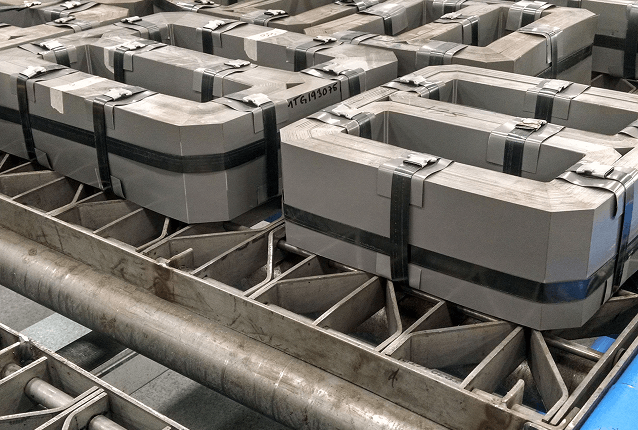
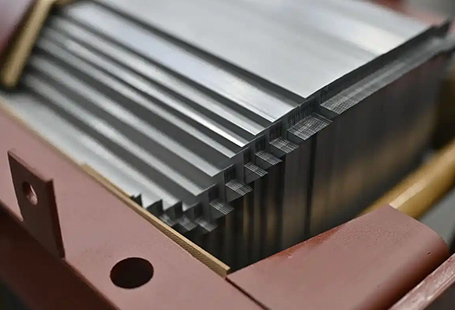
When you run a current through that primary winding, it kicks off an alternating magnetic field. This magnetic flux then travels right along the laminated E-shaped core and loops back through the I-shaped laminations to finish the magnetic circuit. This whole process is what actually induces the voltage in the secondary winding, getting the energy conversion done. By using a laminated structure instead of a solid block, we’re able to effectively put a lid on eddy current losses, which keeps the overall efficiency exactly where it needs to be.

JinMa E Transformer Cores are so versatile that they end up in almost every corner of the industry. You’ll mostly run into them being used for things like: