HOME
PRODUCTS
Products
Annealed Silicon Steel Laminations
Slitted Silicon Steel Lamination Core
Step-Lap Transformer Core Lamination
CRGO Core Laminations
Silicon Steel Ballast Core
Interlocking Lamination Core
Custom silicon steel CRGO
Motor core
EI Core with Gap Lamination
Shell Transformer Core
Core Transformer Core
Dry-type transformer cores
Current Sensor Cores
Gapped Tape‑Wound Current Sensor Core
Silicon steel split U‑core for reactor
Step‑Cut Reactor C‑Core
Split Tape-Wound C‑Core
Air‑Gapped Rectangular Wound Core
Toroidal core with gap
CASES
BLOG
Technical Knowledge
Company News
Industry News
Videos
ABOUT US
CONTACT US
English
Chinese
HOME
PRODUCTS
Products
Annealed Silicon Steel Laminations
Slitted Silicon Steel Lamination Core
Step-Lap Transformer Core Lamination
CRGO Core Laminations
Silicon Steel Ballast Core
Interlocking Lamination Core
Custom silicon steel CRGO
Motor core
EI Core with Gap Lamination
Shell Transformer Core
Core Transformer Core
Dry-type transformer cores
Current Sensor Cores
Gapped Tape‑Wound Current Sensor Core
Silicon steel split U‑core for reactor
Step‑Cut Reactor C‑Core
Split Tape-Wound C‑Core
Air‑Gapped Rectangular Wound Core
Toroidal core with gap
CASES
BLOG
Technical Knowledge
Company News
Industry News
Videos
ABOUT US
CONTACT US
E-mail:
sales@jinma-electric.com
Tel:
15093344253
English
中文
Technical Knowledge
Home
>
Technical Knowledge
Technical Knowledge
Company News
Industry News
Videos
Technical Knowledge
Apr 08, 2026
What is the difference between ferrite cores and silicon steel cores?
Cores are key components of transformers, inductors and other magnetic devices, directly determining their efficiency, size, cost and reliability. Ferrite cores and silicon steel cores are the most widely used in high-frequency power supplies, power distribution and EMI suppression. This article compares their differences in material properties, loss, pros, cons and applications to help people select cores quickly.
Jun 05, 2026
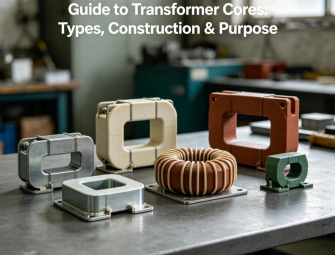
Guide to transformer cores: types, construction, & purpose
Transformer core is the core magnetic component of the transformer, which directly determines the energy efficiency, temperature rise, noise and service life of the equipment, and is widely used in electric power transmission and distribution, industrial automation, new energy equipment and consumer electronics, and many other fields. This article systematic popularization of transformer core definition principle, the core role, molding process, mainstream categories, material parameters, selection guidelines and common failure solutions, comprehensive coverage of R & D design, procurement selection, site operation and maintenance and other practical content, for industry practitioners to provide a professional, grounded reference basis.
Apr 02, 2026
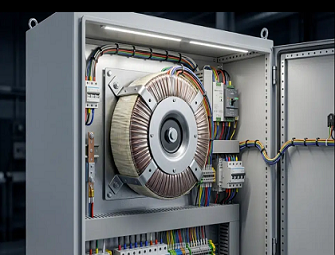
What is a toroidal transformer core used for?
Toroidal transformer cores feature a continuous closed-loop structure with almost no air gap, boasting high efficiency, low magnetic flux leakage, low noise and compact size. They are widely used in medical, audio, industrial, communication and new energy fields, serving as core magnetic components for efficient power conversion.
Mar 29, 2026
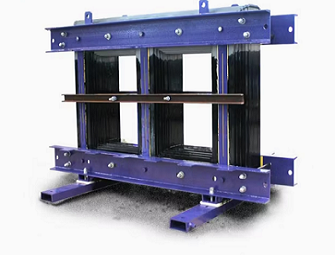
What is the preferred material for shell and core type transformer cores?
Core-type and shell-type transformers have structural differences but uniform core material demands. Laminated silicon steel is their preferred choice for optimal performance and cost-efficiency, with future trends favoring energy-saving materials like amorphous alloys while it remains mainstream for traditional transformers.
09.Jul 2026
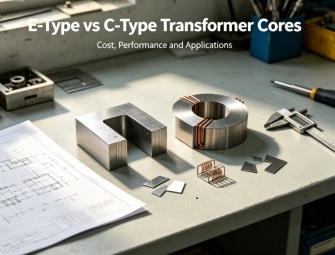
Differences Between E-Type and C-Type Transformer Cores
Transformer core is the device’s core magnetic component, responsible for conducting alternating magnetic flux, ensuring efficient conversion of electrical energy, and reducing operating losses. Currently, the most commonly used cores in residential and industrial transformers fall into two main categories: E-type cores and C-type cores. Although both are made of silicon steel, they differ significantly in terms of structural design, manufacturing processes, performance characteristics, and application scenarios—these differences serve as key distinguishing factors in transformer design and selection. This article provides a comprehensive comparison of the advantages and disadvantages of these two core types to facilitate quick and accurate selection.
Learn More
05.Jun 2026
Guide to transformer cores: types, construction, & purpose
Transformer core is the core magnetic component of the transformer, which directly determines the energy efficiency, temperature rise, noise and service life of the equipment, and is widely used in electric power transmission and distribution, industrial automation, new energy equipment and consumer electronics, and many other fields. This article systematic popularization of transformer core definition principle, the core role, molding process, mainstream categories, material parameters, selection guidelines and common failure solutions, comprehensive coverage of R & D design, procurement selection, site operation and maintenance and other practical content, for industry practitioners to provide a professional, grounded reference basis.
Learn More
03.Jun 2026
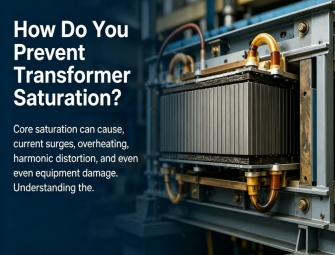
How Do You Prevent Transformer Core Saturation?
In the field of electric power, new energy, rail transportation and industrial automation, transformer core saturation is hidden and extremely harmful. Light equipment noise, harmonic exceeds the standard, efficiency decline, heavy winding burned, insulation breakdown, and even cause power grid outage. Most of the operation and maintenance designers only focus on the surface faults, easy to ignore the frequency, DC bias, core material and other core triggers. This paper combines electromagnetic principles and engineering practice to analyze the core saturation mechanism, causes and hazards, and gives a full-dimensional prevention and control program to avoid failures from the source and extend the service life of the equipment.
Learn More
20.May 2026
Why are transformer cores made of laminated sheets?
In the power transmission system, transformer is the core equipment, and its performance is related to the stability and efficiency of power supply. As a key component of the transformer, the design of the core has a significant impact on its operational efficiency, temperature rise and life span. In the early days, transformers used solid iron cores, which had serious heat generation and energy consumption problems. With the development of technology, laminated iron core has become the mainstream choice to improve the performance of transformers because it can effectively suppress eddy current loss.
Learn More
20.May 2026
How can transformer core losses be reduced?
Transformer as the core equipment of power transmission and distribution system, its operational efficiency is directly related to energy utilization, operating costs and environmental benefits. Iron core loss is the transformer no-load fixed loss, directly affecting energy efficiency. In this paper, we will analyze the causes of iron core loss, from the material, design, manufacturing three aspects of the loss reduction program, to help equipment energy efficiency.
Learn More
12.May 2026
What is the difference between hysteresis loss and eddy current loss in cores?
In transformers, reactors, motors and other electromagnetic equipment, the core loss is the core factor that determines the efficiency, temperature rise, life and operating costs. The core loss is mainly composed of two parts: hysteresis loss and eddy current loss.
Learn More
18.Apr 2026
Why are amorphous cores more efficient than traditional cores?
In the power system, transformer as the hub of power transmission and distribution, its iron core loss is the main crux of the energy waste of the power grid. For a long time, the traditional silicon steel sheet iron core dominates the transformer field. However, amorphous alloy core, with its unique amorphous material structure, can significantly reduce transformer no-load loss, and has become a core technology solution for building energy-efficient power transmission system.
Learn More
15.Apr 2026
What are amorphous metal transformer cores?
Under the global trend of energy transition and energy saving, the efficiency of power equipment has become a core concern in the fields of power grids, new energy sources and data centres. Traditional silicon steel transformer core has high no-load loss, heat generation and other problems, amorphous metal transformer core with ultra-low loss, high efficiency and energy saving advantages, become a new generation of power distribution and special transformer core components.
Learn More
11.Apr 2026
How do you choose the right transformer core material?
More than 90% of a transformer’s performance, energy consumption and service life depend on its core material. Unsuitable cores lead to inefficiency, overheating and breakdowns. This article covers core functions, common materials and selection tips to help you pick the best transformer core quickly.
Learn More
08.Apr 2026
What is the difference between ferrite cores and silicon steel cores?
Cores are key components of transformers, inductors and other magnetic devices, directly determining their efficiency, size, cost and reliability. Ferrite cores and silicon steel cores are the most widely used in high-frequency power supplies, power distribution and EMI suppression. This article compares their differences in material properties, loss, pros, cons and applications to help people select cores quickly.
Learn More
05.Apr 2026
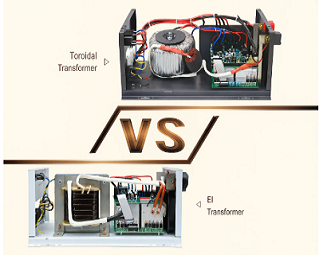
What is the advantage of a toroidal core over an EI core?
Toroidal cores offer higher efficiency, smaller size, lower EMI, quieter operation and better heat dissipation than traditional EI cores, ideal for high‑end electronics, medical and audio devices.
Learn More
02.Apr 2026
What is a toroidal transformer core used for?
Toroidal transformer cores feature a continuous closed-loop structure with almost no air gap, boasting high efficiency, low magnetic flux leakage, low noise and compact size. They are widely used in medical, audio, industrial, communication and new energy fields, serving as core magnetic components for efficient power conversion.
Learn More
1
2
»
sales@jinma-electric.com
15093344253
+86 15093344253
Inquiry Now
X
WhatsApp
Hi
Hello
👋, welcome to
www.jinma-electric.com
Which types of transformer core do you need?
Open Chat