

What Are Ferrite Cores
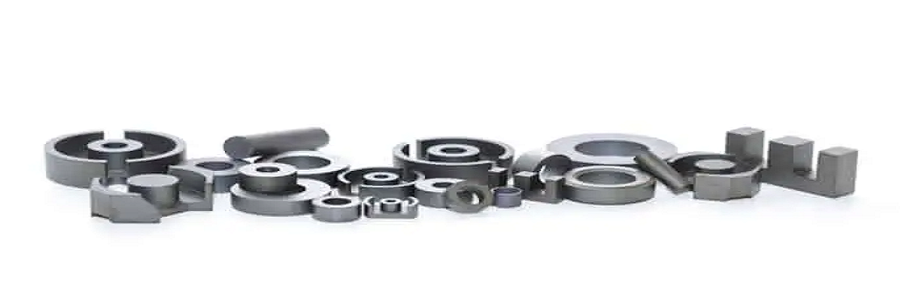
Ferrite core is a magnetic ceramic material sintered with iron oxide, mixed with manganese-zinc, nickel-zinc and other metal oxides.
Manufacturing process:Powder mixing, pressing moulding,high temperature sintering,finishing, can be made into ring, EE shape, cylindrical and other structures.
Core features: Extremely high resistivity, low high frequency loss, light weight, low cost, but brittle.
Typical use: EMI anti-interference magnetic ring, switching power supply high-frequency transformer, RF inductors, high-frequency filters.
Cylindrical ferrite is the most common EMI suppression structure, can be directly set on the cable to achieve noise filtration, through the material and shape adjustment, impedance characteristics can be flexibly changed.
What Are Silicon Steel Cores
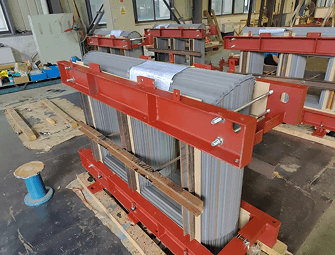
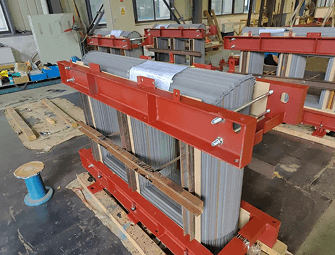
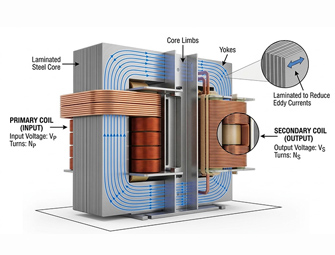
Silicon steel cores are an alloy of iron + 2%~4% silicon, used in the form of insulated laminated sheets, which is the mainstream material for traditional power cores.
Structural Advantages: Thin sheet stacked structure cuts off eddy current circuits and significantly reduces eddy current losses; oriented silicon steel (GO) allows the direction of magnetic flux to be consistent with the grain orientation, resulting in better performance.
Core features: Very high saturation magnetic induction strength, good mechanical strength, high efficiency at industrial frequency, easy to process and mould.
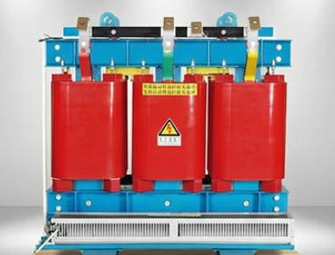
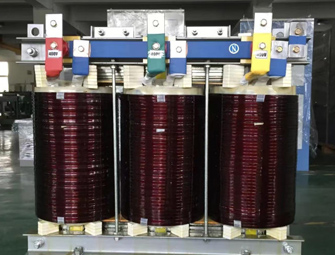
Typical applications: Industrial frequency distribution transformers, motor cores, high-power low-frequency inductors, industrial power supply equipment.
Silicon steel laminations can effectively solve the pain points of transformer heat, noise, excessive loss, etc., and directly improve the long-term reliability of the equipment.
Key Differences Between Ferrite Cores and Silicon Steel Cores
Comparison of magnetic properties
Saturated magnetic induction: Silicon steel 1.8~2.0T, ferrite only 0.3~0.5T, silicon steel can carry more power.
Initial permeability: Silicon steel 2000~5000, ferrite 1000~15000+, ferrite low-field energy transfer is more efficient.
Temperature stability: Silicon steel upper limit is about 150℃; Ferrite Curie temperature is 120℃~500℃+, higher temperature adaptability.
Core Loss Characteristics
Silicon steel: Eddy current losses rise sharply at high frequencies and must be suppressed with very thin laminations, suitable only for low frequencies.
Ferrite: High resistivity, very low eddy current loss, but hysteresis loss is higher under some working conditions.
Physical and mechanical properties
Density: Silicon steel 7.65g/cm³, ferrite 4.5~5.0g/cm³, the same volume of ferrite is lighter.
Mechanical Strength: Silicon steel is strong and durable; ferrite is brittle and has poor resistance to impact and mechanical stress.
Frequency range
Silicon steel: 50/60Hz at industrial frequency, up to about 1kHz.
Ferrite: 20kHz to MHz level high frequency, is the first choice for high frequency power supply.
Advantages and Disadvantages
Ferrite Cores
Advantages:
Very low high frequency loss, suitable for switching power supply and other high frequency scenarios
Light weight, suitable for aviation, portable, car equipment
Low cost, good demagnetisation resistance
Excellent EMI suppression
Disadvantages:
Low saturation flux, limited in high power scenarios
Brittle texture, not easy to process complex shapes
High hysteresis loss in some operating conditions
Silicon Steel Cores
Advantages:
High saturation flux, high power carrying capacity
High frequency efficiency, suitable for power transformers
Good mechanical strength, easy to process and mould
Stable supply chain, strong generality
Disadvantages:
High frequency loss, can’t be used in high frequency circuits
High density, more bulky equipment
High-end grade material cost is high
How to Choose the Right Core Material
According to the working frequency
Low frequency (50/60Hz): silicon steel; high frequency (above 20kHz): ferrite.
Selection by power and size
High power, small volume priority: silicon steel; weight-sensitive, lightweight priority: ferrite.
Select by loss and efficiency
High-frequency continuous operation:Ferrite is more energy-saving and higher long-term gain.
Industrial frequency high power: silicon steel loss is lower and more stable.
Selected by cost and manufacturing
Silicon steel raw materials are cheap, but the cost of stacked sheet processing is high.
Ferrite sintering moulding, complex shape is more economical, high frequency scenario energy saving and quick return.
Selection by environment and reliability
High temperature and high vibration environments are given priority over ferrite for high temperature resistance.
Silicon steel is given priority for high mechanical stress and strong impact environments.
Ferrite core: High-frequency, lightweight, low cost, low loss, dominating high-frequency power and anti-interference field.
Silicon steel cores: High saturation, high work frequency efficiency, high reliability, dominate the work frequency power and high power scenarios.