HOME
PRODUCTS
Products
Annealed Silicon Steel Laminations
Slitted Silicon Steel Lamination Core
Step-Lap Transformer Core Lamination
CRGO Core Laminations
Silicon Steel Ballast Core
Interlocking Lamination Core
Custom silicon steel CRGO
Motor core
EI Core with Gap Lamination
Shell Transformer Core
Core Transformer Core
Dry-type transformer cores
Current Sensor Cores
Gapped Tape‑Wound Current Sensor Core
Silicon steel split U‑core for reactor
Step‑Cut Reactor C‑Core
Split Tape-Wound C‑Core
Air‑Gapped Rectangular Wound Core
Toroidal core with gap
CASES
BLOG
Technical Knowledge
Company News
Industry News
Videos
ABOUT US
CONTACT US
English
Chinese
HOME
PRODUCTS
Products
Annealed Silicon Steel Laminations
Slitted Silicon Steel Lamination Core
Step-Lap Transformer Core Lamination
CRGO Core Laminations
Silicon Steel Ballast Core
Interlocking Lamination Core
Custom silicon steel CRGO
Motor core
EI Core with Gap Lamination
Shell Transformer Core
Core Transformer Core
Dry-type transformer cores
Current Sensor Cores
Gapped Tape‑Wound Current Sensor Core
Silicon steel split U‑core for reactor
Step‑Cut Reactor C‑Core
Split Tape-Wound C‑Core
Air‑Gapped Rectangular Wound Core
Toroidal core with gap
CASES
BLOG
Technical Knowledge
Company News
Industry News
Videos
ABOUT US
CONTACT US
E-mail:
sales@jinma-electric.com
Tel:
15093344253
English
中文
News & Blogs
Home
>
Industry News
Technical Knowledge
Company News
Industry News
Videos
Industry News
Jun 03, 2026
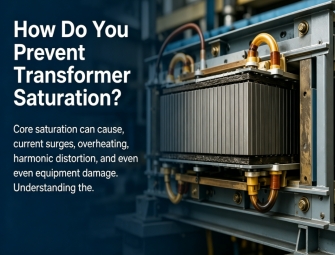
How Do You Prevent Transformer Core Saturation?
In the field of electric power, new energy, rail transportation and industrial automation, transformer core saturation is hidden and extremely harmful. Light equipment noise, harmonic exceeds the standard, efficiency decline, heavy winding burned, insulation breakdown, and even cause power grid outage. Most of the operation and maintenance designers only focus on the surface faults, easy to ignore the frequency, DC bias, core material and other core triggers. This paper combines electromagnetic principles and engineering practice to analyze the core saturation mechanism, causes and hazards, and gives a full-dimensional prevention and control program to avoid failures from the source and extend the service life of the equipment.
May 12, 2026
What is the difference between hysteresis loss and eddy current loss in cores?
In transformers, reactors, motors and other electromagnetic equipment, the core loss is the core factor that determines the efficiency, temperature rise, life and operating costs. The core loss is mainly composed of two parts: hysteresis loss and eddy current loss.
Apr 11, 2026
How do you choose the right transformer core material?
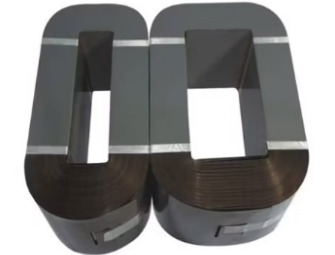
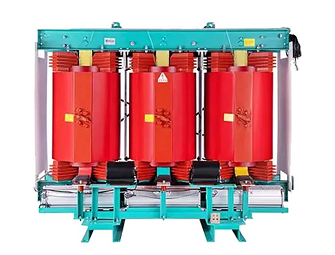
More than 90% of a transformer’s performance, energy consumption and service life depend on its core material. Unsuitable cores lead to inefficiency, overheating and breakdowns. This article covers core functions, common materials and selection tips to help you pick the best transformer core quickly.
Apr 05, 2026
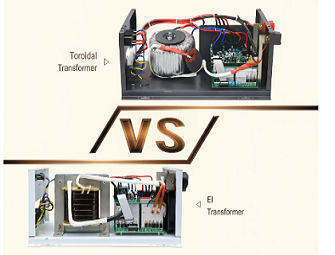
What is the advantage of a toroidal core over an EI core?
Toroidal cores offer higher efficiency, smaller size, lower EMI, quieter operation and better heat dissipation than traditional EI cores, ideal for high‑end electronics, medical and audio devices.
sales@jinma-electric.com
15093344253
+86 15093344253
Inquiry Now
X
WhatsApp
Hi
Hello
👋, welcome to
www.jinma-electric.com
Which types of transformer core do you need?
Open Chat