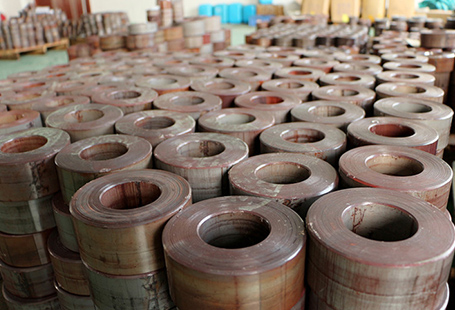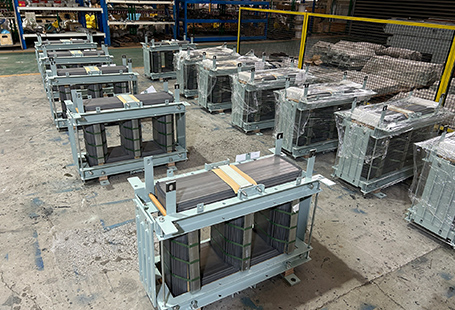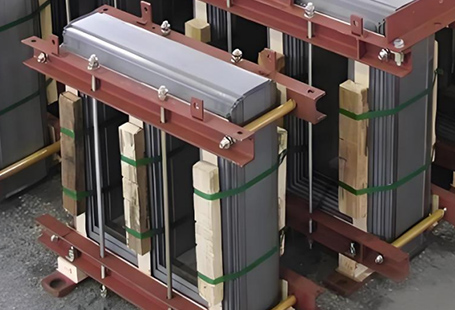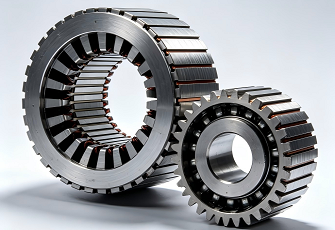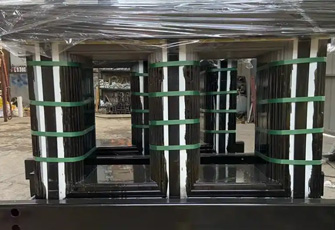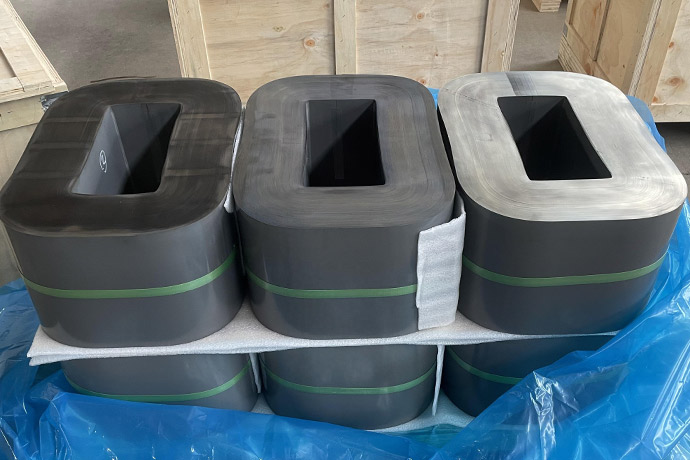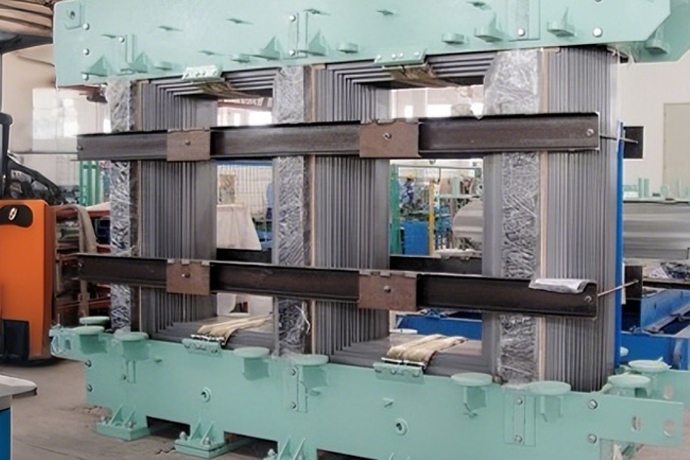
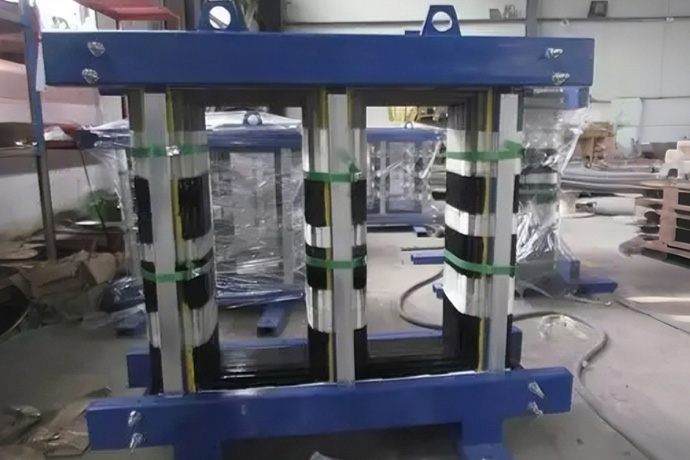
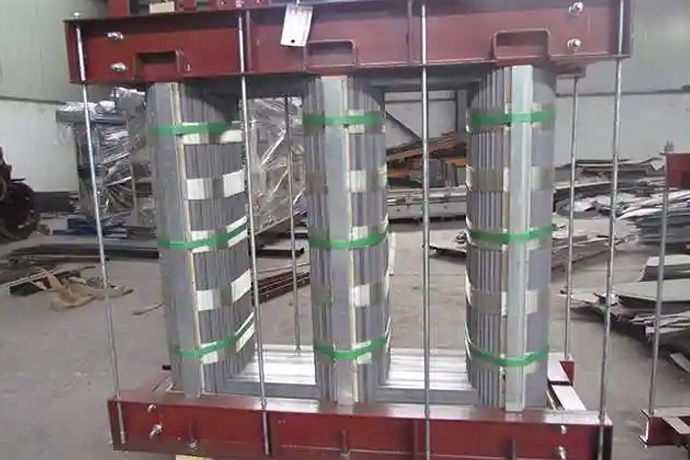
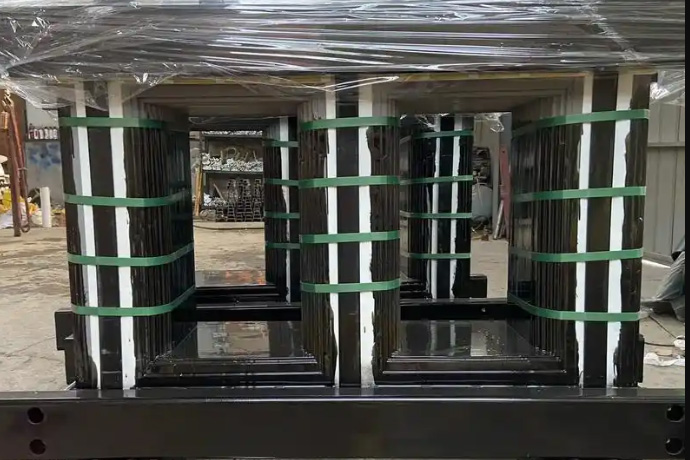
With over 20 years of deep expertise in dry-type transformer core manufacturing, we have become a trusted core supplier in the industry thanks to our mature production system, masterful core craftsmanship, and rigorous quality control.Step into our production workshop, where standardized production lines operate in an orderly manner. From raw material selection to finished product shipment, every step demonstrates professionalism and meticulousness. The core lamination process utilizes fully automated precision equipment, with experienced technicians overseeing the entire process to ensure that every silicon steel sheet is stacked with absolute precision, eliminating potential magnetic circuit losses at the source.Real-life factory photos authentically capture the full scope of our production, allowing you to intuitively experience our production scale and technical capabilities, and witness the entire process of creating high-quality cores.
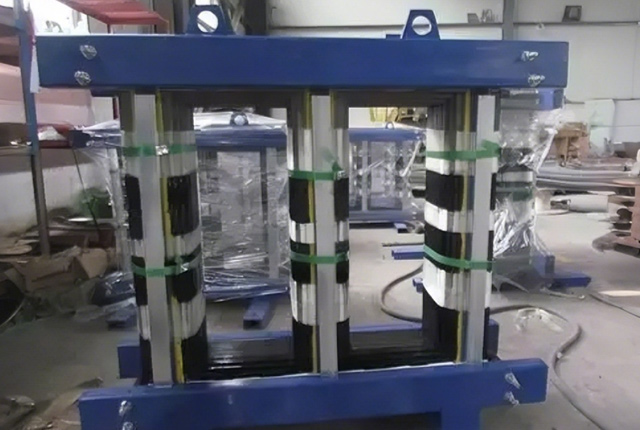

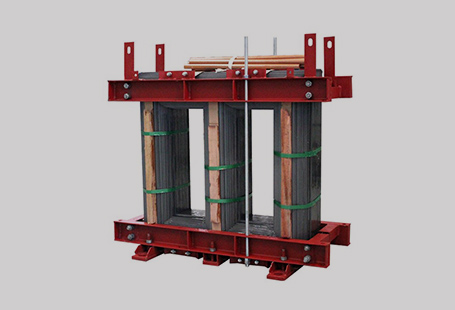
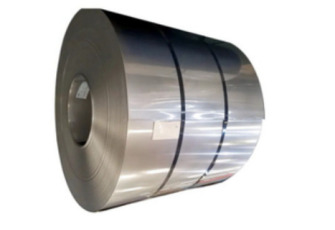
A dry-type transformer core serves as the “magnetic circuit core” of the transformer. It is primarily constructed by stacking cold-rolled silicon steel sheets or amorphous alloy with high magnetic permeability. Unlike oil-immersed transformer cores, it features an air-cooled, dry-type insulation design that does not require immersion in insulating oil, making it more suitable for applications with stringent environmental and safety requirements.To further optimize performance, our cores feature a multi-leg design (3-leg, 4-leg, or 5-leg). Through scientific structural layout, this design effectively reduces energy loss, improves power transmission efficiency, and enhances the overall structural durability of the core, extending its service life to meet the demands of long-term, stable operation.
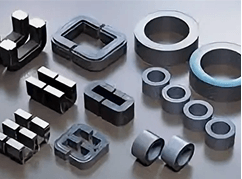
Based on industry applications and technical requirements, the most commonly used core types in dry-type transformers are currently categorized as follows. Each type has its unique advantages and suitable applications, allowing for precise selection based on specific needs:
For bulk purchasers, the core technical parameters directly determine the transformer’s operational efficiency, stability, and service life. Based on industry procurement needs, we have identified the following key parameters to provide precise guidance for your selection:
• Core Material: Cold-rolled silicon steel sheets (common grades include 50W470, 35W250, 30Q120, etc.) and amorphous alloys, which can be flexibly selected based on energy efficiency requirements;
• Magnetic Permeability: ≥1.5×10⁴ H/m, with a permeability deviation of ≤5% within the same batch to ensure stable magnetic circuit transmission efficiency;
• Loss Parameters: No-load loss ≤ 0.5 W/kg; load loss compliant with GB 1094.11 standards, minimizing energy consumption;
• Lamination factor: ≥0.97; the step-stacking process can achieve a factor of 0.98 or higher, reducing air gaps and lowering magnetic resistance;
• Insulation Class: Class F or higher; Class H/C insulation can be customized for specific applications to accommodate complex environments such as high temperatures and humidity;
• Dimensional accuracy: Key dimensional tolerances of ±0.1 mm, roundness deviation ≤0.1 mm (custom shapes available);
• Noise Level: Operating noise ≤65 dB, suitable for applications with high noise suppression requirements.
Leveraging over 20 years of production experience, we have established a standardized and automated manufacturing process with strict quality control at every step to ensure consistent and reliable core quality. The complete process is as follows:
1. Raw Material Screening: We select high-quality raw materials such as cold-rolled silicon steel sheets and amorphous alloys. Through B-H curve testing, iron loss meter testing, and other methods, we ensure that the materials’ magnetic permeability and loss characteristics meet standards, preventing non-conforming materials from entering the production line;
2. Precision Cutting: We utilize a fully automated silicon steel sheet cross-cutting line to achieve cutting accuracy at the 0.1mm level. By optimizing the cutting process, we increase material utilization to over 92%, minimizing material waste;
3. Core Stacking: Fully automated stacking equipment is used, supplemented by manual precision calibration. Depending on the core type, corresponding stacking processes (such as stepped stacking or fully staggered stacking) are employed to ensure tight, aligned laminations with an air gap of ≤0.5 mm;
4. Insulation Treatment: Core columns are bundled with insulating tape, and the core surface is coated with insulating resin varnish for sealing, providing moisture and rust protection; insulating film is inserted between laminations to enhance insulation performance and prevent excessive eddy current losses;
5. Clamping and Securing: The core is clamped using a “through-rod” structure and secured with high-strength PET straps. The clamping hardware undergoes eco-friendly blue zinc plating to prevent corrosion, ensuring the core remains firmly in place and minimizing operational vibration;
6. Vacuum Impregnation: H-class insulating varnish is used for vacuum pressure impregnation to fill gaps and micro-pores in the core. After curing, a continuous, smooth varnish film forms, enhancing insulation performance, mechanical strength, and thermal conductivity;
7. Final Inspection: Comprehensive testing, including no-load tests, insulation resistance tests, and dimensional accuracy checks, ensures that every finished product meets technical standards; non-conforming products are strictly prohibited from leaving the factory;
8. Packaging and Shipment: Moisture-proof and shock-resistant packaging is used, labeled with product specifications and test reports, to ensure no damage during transportation and timely delivery.
Thanks to their safety, efficiency, environmental friendliness, and maintenance-free operation, our dry-type transformer cores are widely used across multiple sectors, covering core applications such as power transmission, industrial production, new energy, and urban construction, serving as the backbone of power systems in various industries:
Compared to standard cores, the high-quality dry-type transformer cores we manufacture offer significant advantages in energy efficiency, safety, and stability, helping purchasers reduce overall operating costs and enhance product competitiveness:
We understand that different industries and applications have varying requirements for transformer cores. Leveraging over 20 years of technical expertise, we offer end-to-end customized services covering “materials, processes, and structures” to meet your non-standard needs:
Among numerous core manufacturers, we have become the industry’s top choice through over 20 years of dedicated expertise. Our core advantages are tangible and evident:
Quality is the lifeline of our company. We consistently integrate quality control throughout the entire production process, strictly adhering to national and international standards to ensure every product meets high-quality requirements: