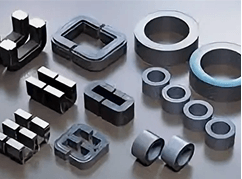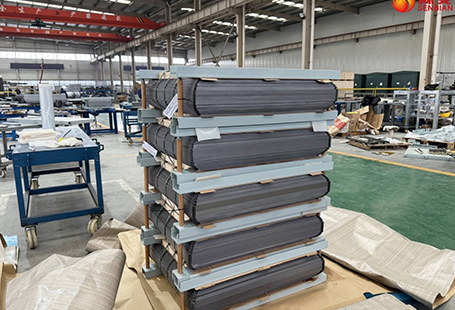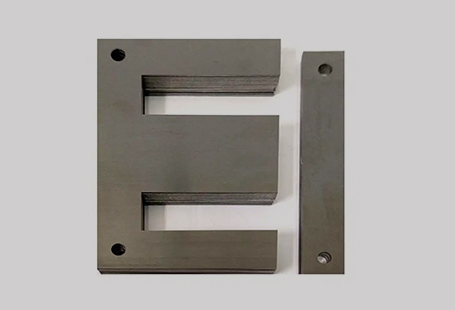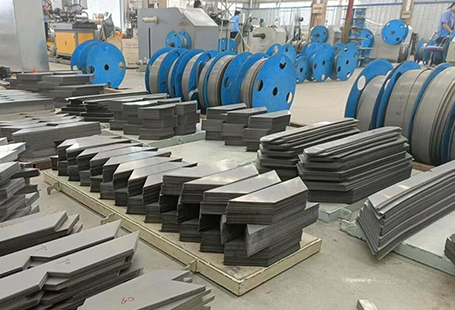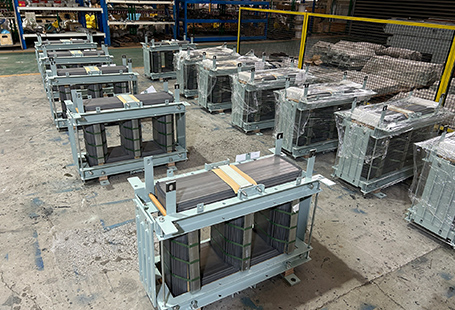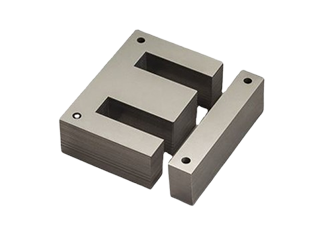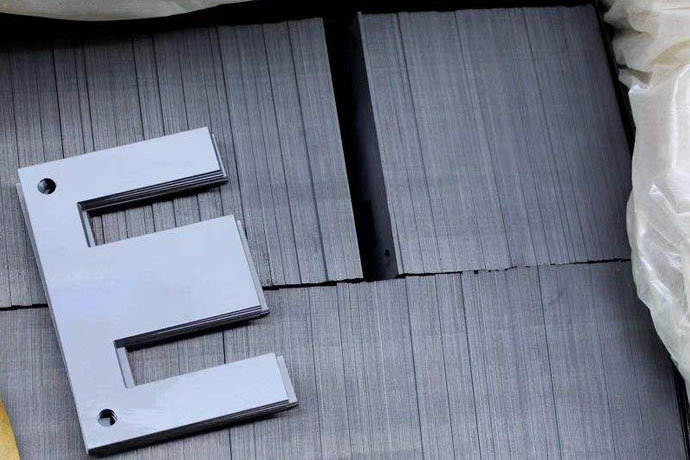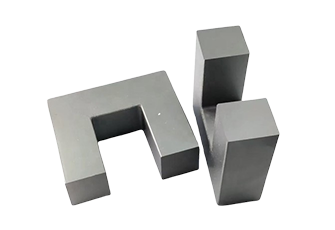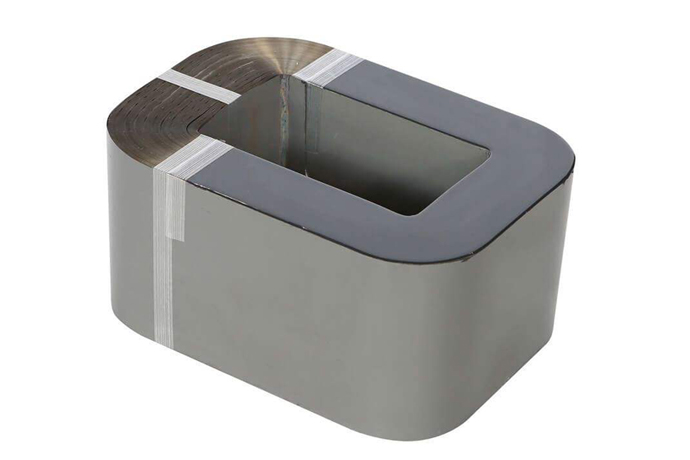
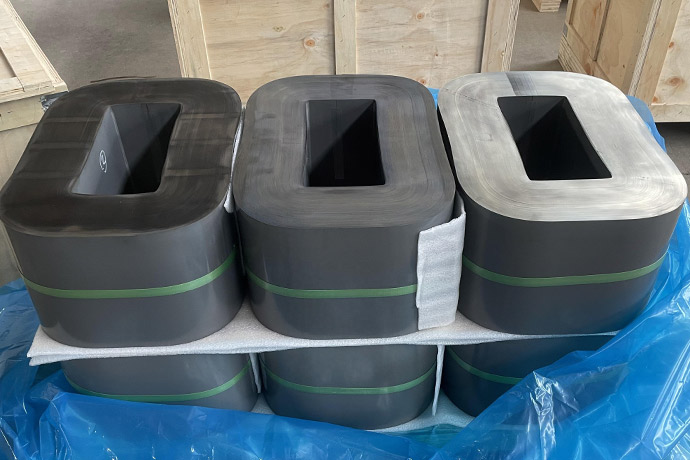
Constructed from high-conductivity cold-rolled silicon steel, the oil-immersed transformer core serves as the primary engine for electromagnetic induction. To curb energy leaks from parasitic eddy currents and iron-related wear, JinMa stacks ultra-thin laminations shielded by specialized insulating films. Most modern designs also integrate a “step-lap” stacking pattern; by staggering the magnetic flux lines like a staircase, this method effectively kills off much of the electromagnetic buzz. Since the unit stays submerged, vertical cooling channels are carved right into the core’s interior to keep oil circulating—this is vital for holding magnetic stability steady when temperatures spike. Ultimately, this tight integration of conductivity, insulation, and single-point grounding is what dictates the total efficiency and service life of the machine.
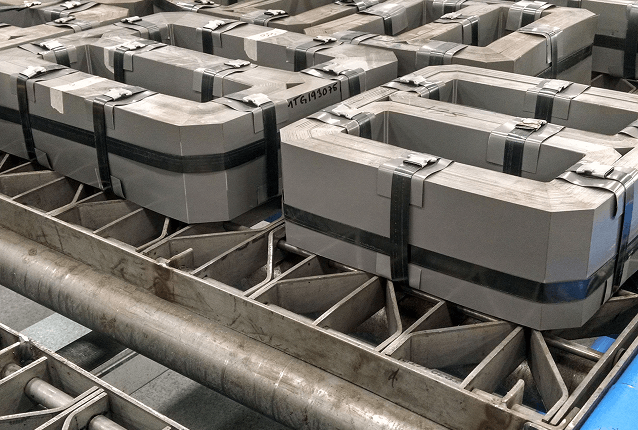
At its center, the oil-immersed transformer core is what makes voltage conversion possible. Think of it as a specialized path for magnetic flux. When AC power surges through the primary winding, the core—engineered from high-permeability steel—kicks off a process called electromagnetic induction. By pinning down and funnelling this magnetic flux from one winding to the next, the core makes sure power moves with virtually no leakage at all. It’s far more than a simple support frame; it is the actual mechanical engine that keeps voltage regulation rock-solid and stable.