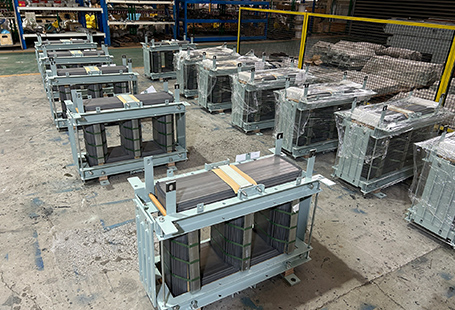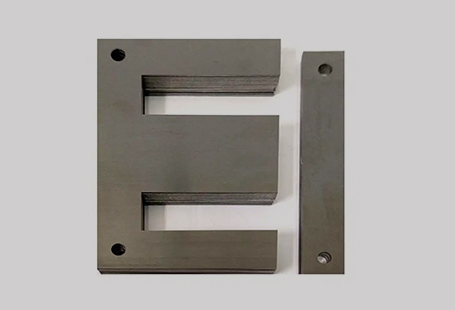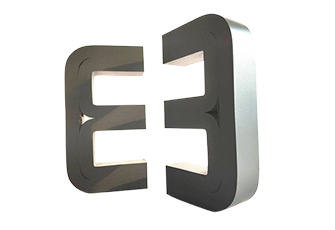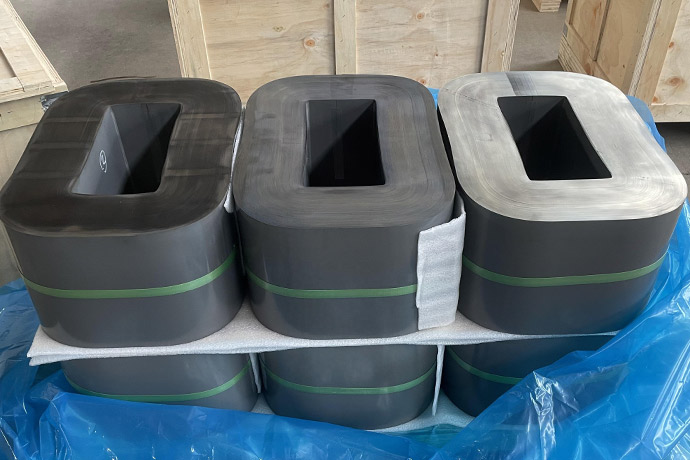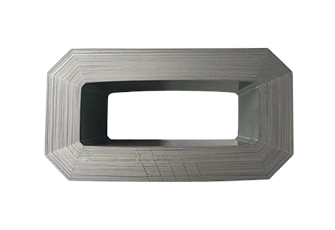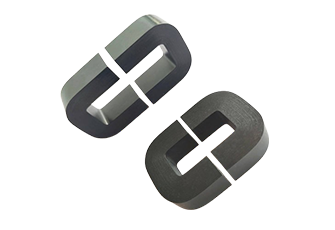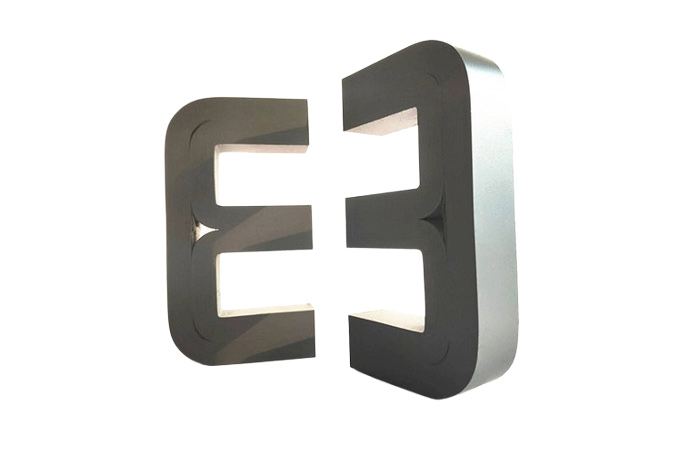
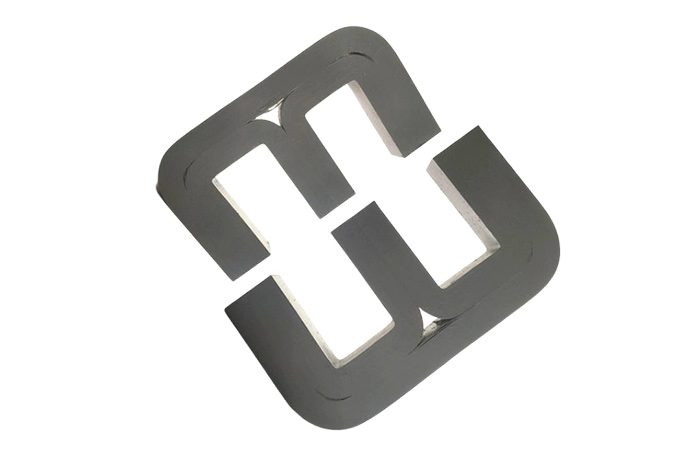
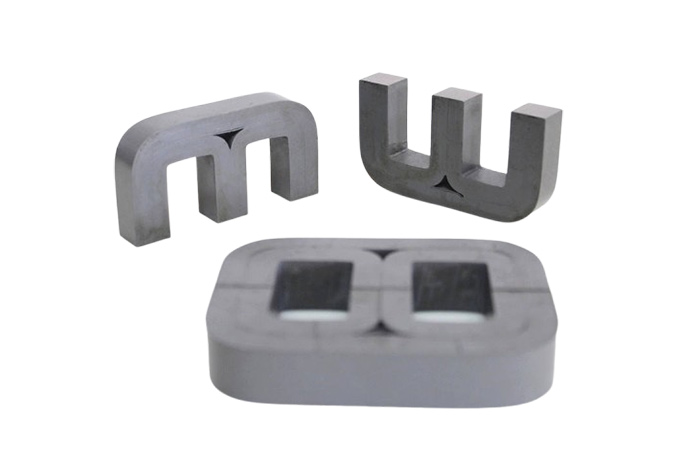
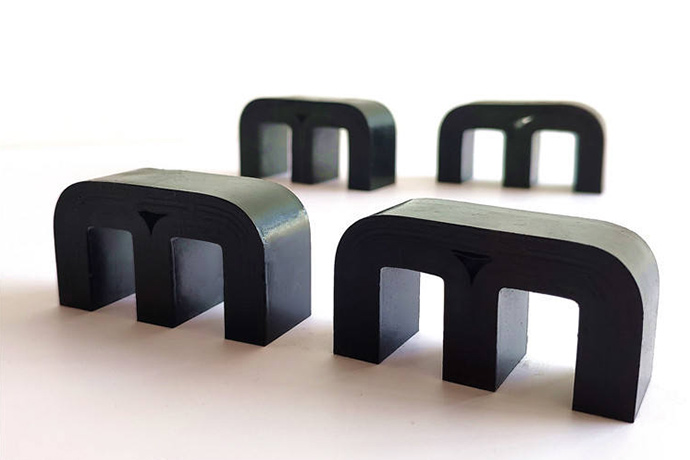
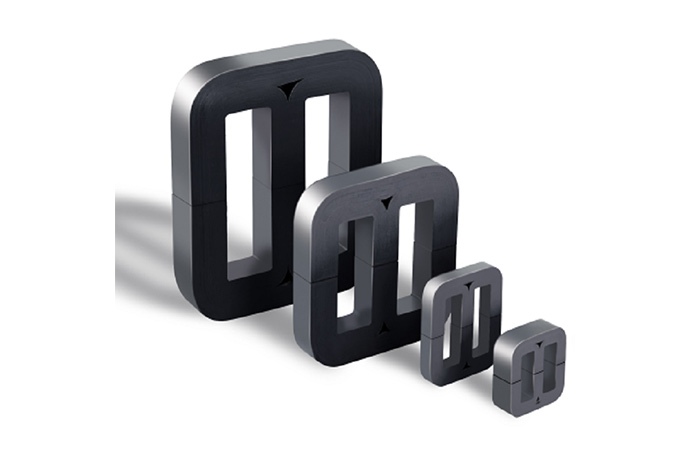
A three phase transformer core is a three phase laminated magnetic path structure which supports the flux path of a three phase power transformer that has low reluctance, linking the primary and secondary windings. The core is the principal static component within any power transformer, forming the link between circuits by electromagnetic induction through the conductors. It affects the no load losses, magnetizing current, and acoustic noise.
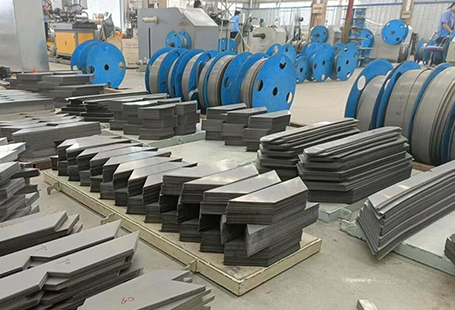
The core of a three phase transformer consists of a stack of individual thin electrical steel laminations coated in an insulating material. The laminations are cut, formed and stacked, creating either a three-limb or a five-limb core shape. The core is laminated in order to reduce eddy current losses to minimize circulating currents by limiting the cross sectional area. The quality of the core is the main contributor to efficiency, operating temperature and total lifetime cost of a transformer over its 30 – 40 year lifespan.
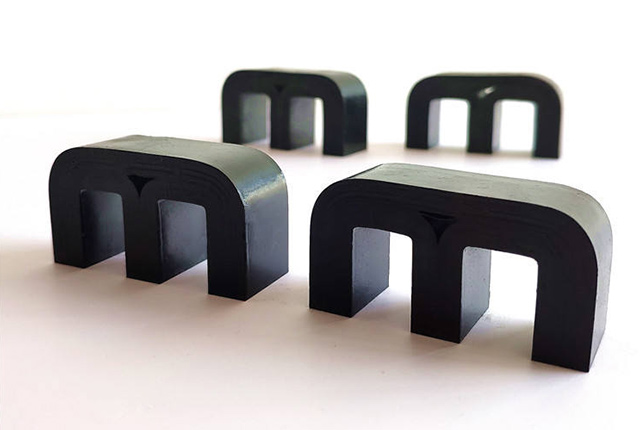
The three-phase transformer core operates on the principle of electromagnetic induction based on three magnetically coupled columns, and its core workflow is as follows:
In addition, by strictly controlling the geometric precision of the joints and the stacking coefficient of the laminations, the excitation current can be further reduced, effectively suppressing the audible noise generated during the operation of the iron core and improving the stability of the equipment operation.
| Parameter | Value / Range |
| Core Material | Grain-oriented silicon steel (GOES) or amorphous alloy |
| Core Loss (W/kg) | ≤ 0.85–1.10 W/kg @ 1.5 T, 50 Hz (verify with manufacturer) |
| Peak Flux Density | 1.5–1.85 T (design-dependent) |
| Stacking Factor | ≥ 0.97 |
| Operating Frequency | 50 Hz / 60 Hz |
| Insulation Coating | Inorganic (C5), organic (C6), or semi-organic (specify grade) |
| Core Weight Range | 50 kg – 20,000 kg+ (custom) |
| Joint Type | Step-lap (preferred), butt-lap |
| Limb Configuration | Three-limb, five-limb |
| Temperature Class | B (130°C), F (155°C), H (180°C) |
| Lamination Thickness | 0.23 mm, 0.27 mm, 0.30 mm, 0.35 mm |
All values should be verified against your specific transformer design and confirmed with our engineering team.

Three-phase transformer cores are also offered for many other power and distribution applications, where the emphasis is on maximum efficiency, long-term reliability and tight dimensional tolerances. In addition to voltage class and rating, the core geometry and lamination grade have to be selected for each specific location of use.
Common applications include:
Choosing the appropriate core geometry involves comparing the advantages and disadvantages of three-limbs versus five-limbs, and core-form versus shell-form construction.
| Feature | Three-Limb Core | Five-Limb Core |
| Transport height | Higher (no return limbs) | Lower — suits large, tall units |
| Zero-sequence impedance | High (balanced system) | Low — needed for delta-free systems |
| Material utilization | More efficient | ~10–15% more steel required |
| Preferred application | Distribution, most power transformers | Large generator step-up, autotransformers |
| Manufacturing complexity | Lower | Higher |
| Feature | Core Form | Shell Form |
| Winding accessibility | Easier | Requires disassembly |
| Short-circuit strength | Lower inherently | Higher — core surrounds winding |
| Leakage flux control | Standard | Superior |
| Preferred application | Distribution, power | High-current, furnace, special purpose |
For most distribution and medium power applications, a three-limb, core form, step lap design employing grain-oriented silicon steel provides the optimum balance of cost, performance and ease of manufacture.
The lamination material is the single largest determinant of core loss.
| Property | Grain-Oriented Silicon Steel (GOES) | Amorphous Metal Alloy |
| Core loss (W/kg @ 1.5 T, 50 Hz) | 0.85–1.10 | 0.10–0.20 |
| Flux density capability | 1.7–1.85 T | 1.3–1.56 T |
| Material cost | Baseline | 3–5× higher |
| Lamination thickness | 0.23–0.35 mm | 0.025–0.030 mm |
| Handling / cutting | Standard | Brittle — requires specialized tooling |
| Best fit | Distribution, power, traction | Low-loss distribution (TOD tariff regions) |
Owing to lower core cost and higher flux density capability, GOES continues to be the most popular core material for transformers above 500 kVA. For distribution transformers, Amorphous produces attractive efficiency improvements in transition loss tariffs scenarios at the cost of higher core cost and increased core volume.
Three phase transformer core can be designed and specified in various configurations depending on the actual application requirements and transformer design; when asking for a quotation or specifying core requirements, the following parameters should be provided (to ensure the cost and requirement can be matched correctly):
Number of column (three-column/five-column, for transformer with different capacity); column diameter, cross-section shape (regular used round, cross); column height (the height of winding window, the same height of installed windings); yoke cross-section (equal cross-section/shrinking cross-section, the accuracy for its performance and cost); particular size of core window (widthxheight, to find out the space of winding arrange).
The optimum peak flux density at rated voltage (unit T, influences the core saturation level risk); the working frequency (standard 50/60Hz, special condition should be given); the acceptable maximum no-load loss (W) or core loss density (W/kg), which should be satisfied by energy efficiency.
Grain-oriented silicon steel (please specify grades, M4, 23ZH85 etc.); amorphous alloy; stack thickness ( conventional 0.23-0.35mm); level of insulation coating ( C5 inorganic, C6 organic etc to match the electrical insulation requirements).
Joint geometry (preferred ladder lap, lower loss)/butt lap; cutting pattern on the stacked sheets (slant cut/straight cut); Form of delivery (preassembled for ease of installation/bulked for ease of transportation).
Transformer cores designed for three phase use, according to the below standards are shipped with complete documentation.